Products

ZTT service to Grid, Grid trust ZTT.

Lorem ipsum dolor sit amet. Aut iste ipsum a ipsum mollitia ut similique aperiam quo sequi voluptatem non assumenda expedita. Qui inventore neque cum ipsam blanditiis sed rerum recusandaeLorem ipsum dolor sit amet. Aut iste ipsum a ipsum mollitia ut similique aperiam quo sequi voluptatem non assumenda expedita. Lorem ipsum dolor sit amet, consectetur adipiscing elit. Ut elit tellus, luctus nec ullamcorper mattis, pulvinar dapibus leo.

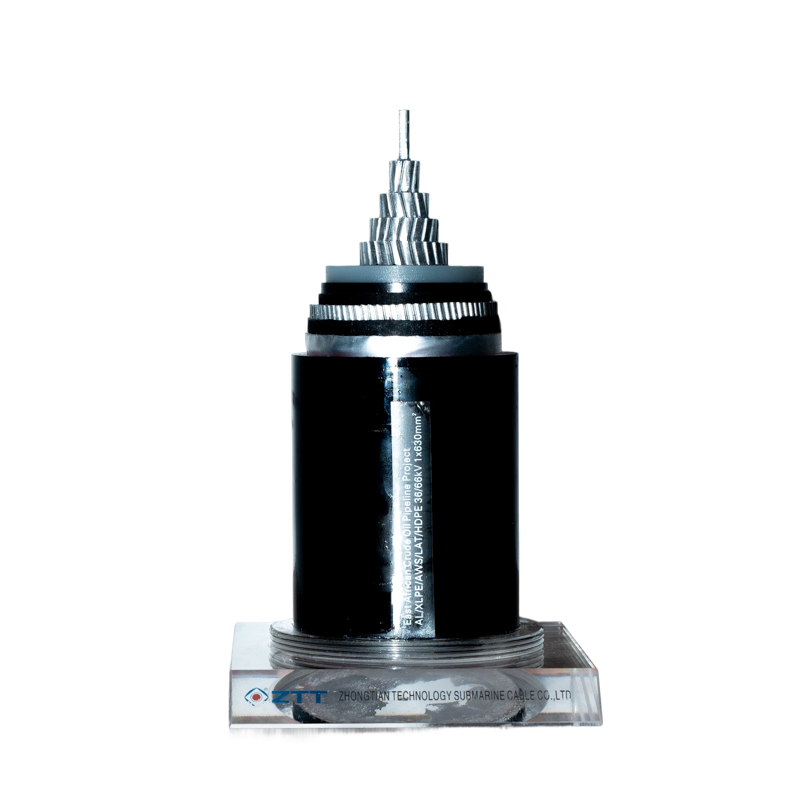
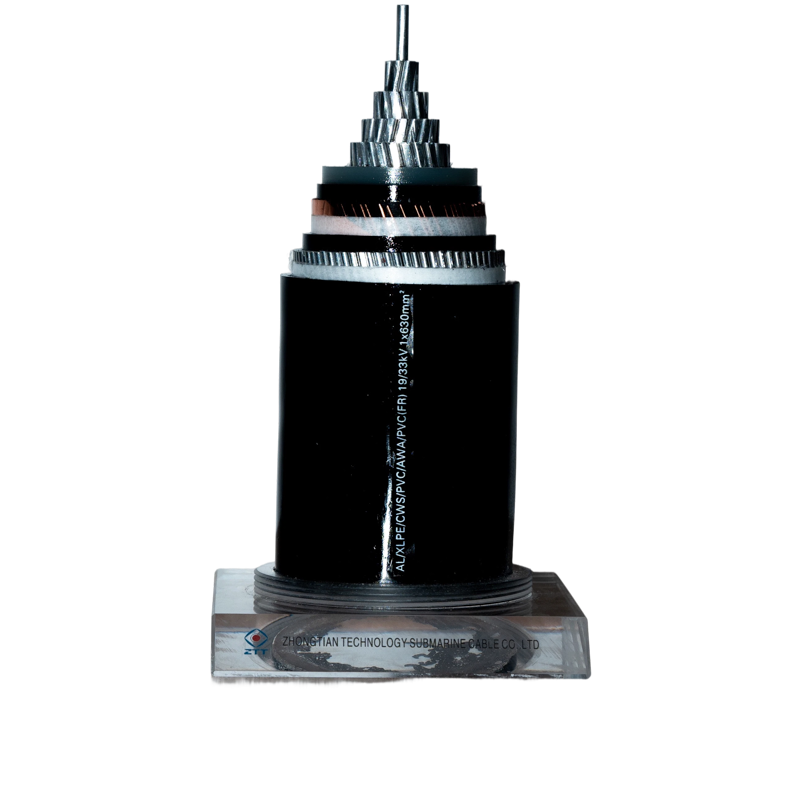
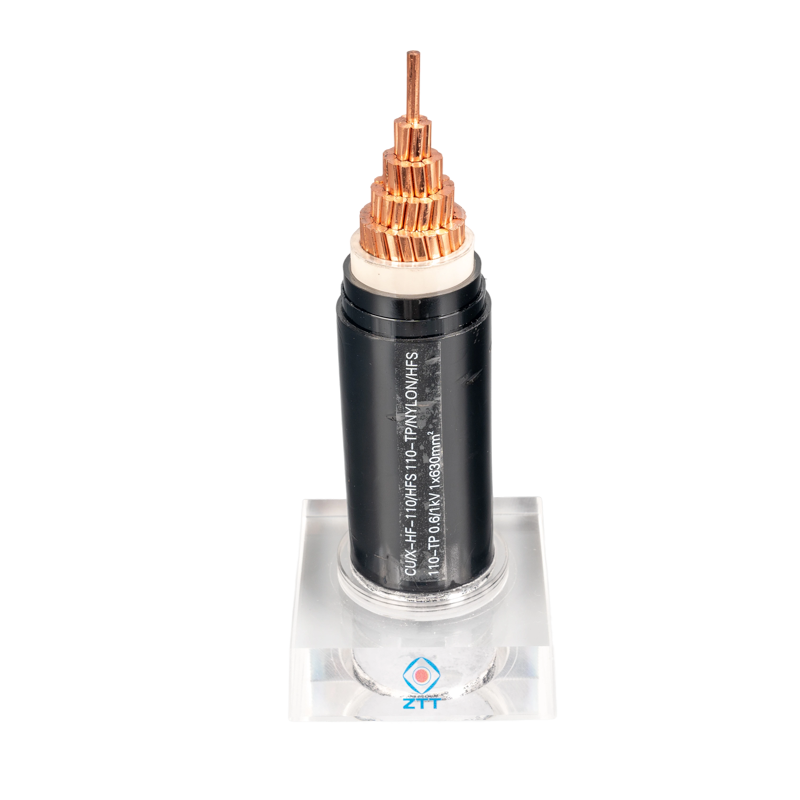
ZTT HV and EHV underground power cables have excellent electrical properties, intended for use in long-distance power transmission. Costumed with special features on request like flame-retardant, water blocking, anti-termite, etc. This kind of metallic sheath is usually lighter in weight and services in higher capacity of fault current.
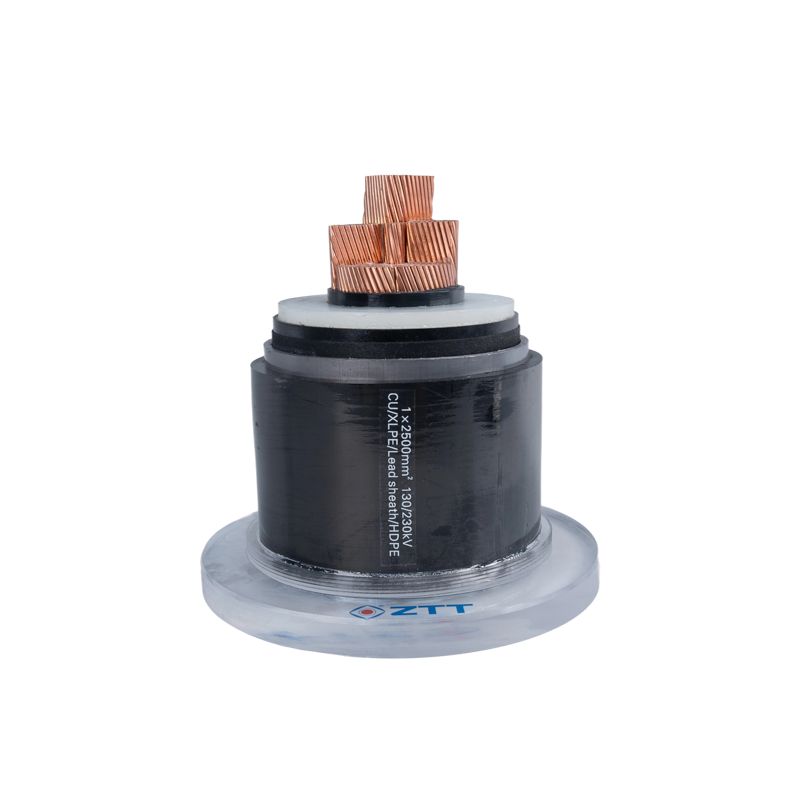
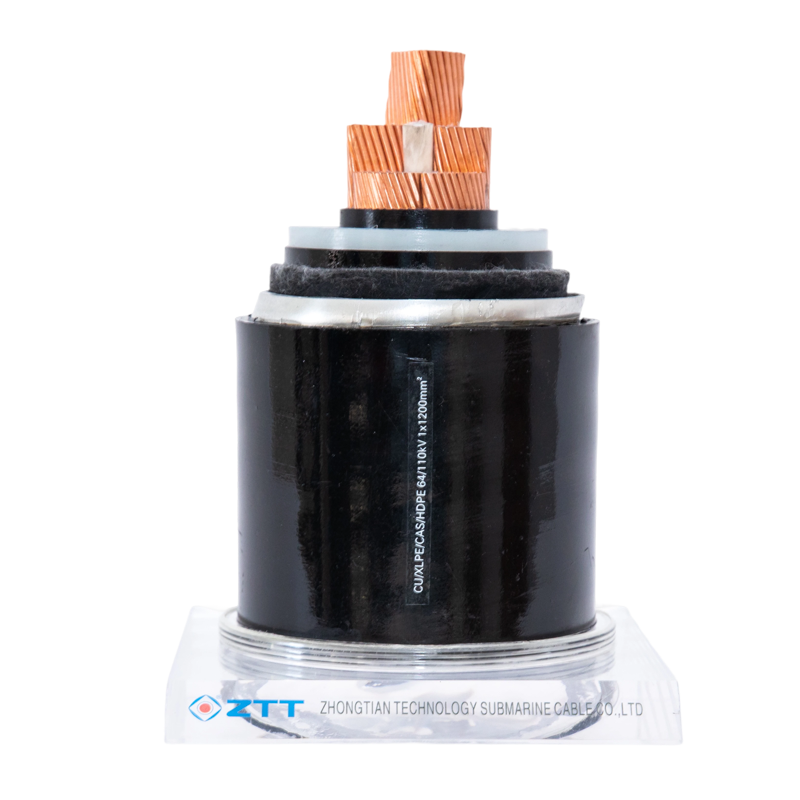
ZTT HV and EHV underground power cables have excellent electrical properties, intended for use in long-distance power transmission. Costumed with special features on request like flame-retardant, water blocking, anti-termite, etc. Usually, lead sheath cables perform well at anti-corrosion and waterproof conditions.
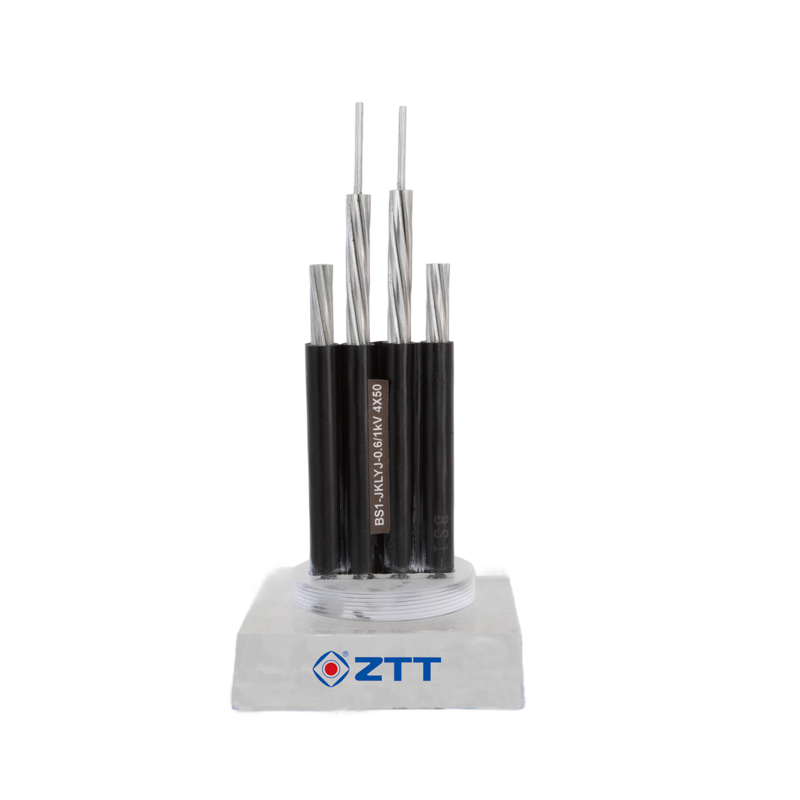
Low-voltage overhead insulated cables are mainly used to transmit power from distribution transformers to the customer end (e.g. residential homes, small commercial facilities, etc.). The insulation requirements are also relatively low, and insulating materials such as polyvinyl chloride (PVC) can be used at a relatively low cost, while also providing sufficient insulation protection against leakage and short-circuiting of low-voltage lines. The laying requirements of low-voltage overhead cables are relatively flexible and the safety distance requirements are relatively small. In some residential areas and other places, it can be laid closer to the building or ground under the premise of ensuring safety according to the actual situation, in order to facilitate the supply of electricity to the user terminal.
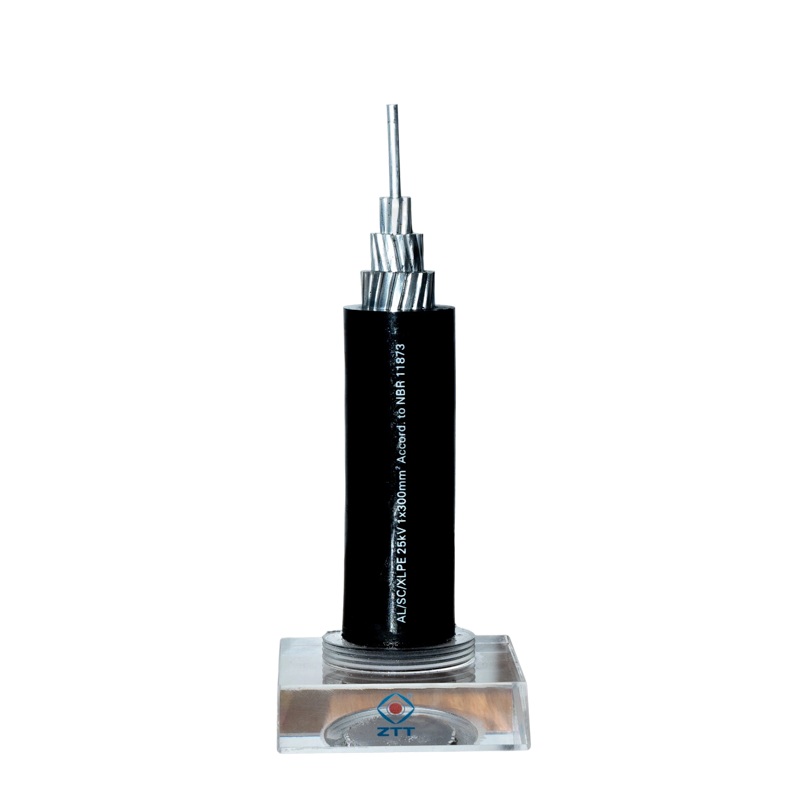
Medium voltage overhead insulated cables are mainly used in medium voltage distribution lines of urban power grids to transport electrical energy from substations to individual distribution transformers. High-performance insulation materials, such as cross-linked polyethylene (XLPE), which have good electrical properties and thermal stability and can withstand high electric field strengths, are generally used. As MV cables usually cover large distances, they can be subjected to higher voltages and mechanical stresses, such as those caused by wind, ice cover and other natural factors. Therefore, cables require high mechanical strength, including tensile strength and flexural strength. The conductors of cables are generally made of high-strength copper or aluminium strands, and the manufacturing process ensures that the cables are tightly constructed to improve their overall mechanical properties.
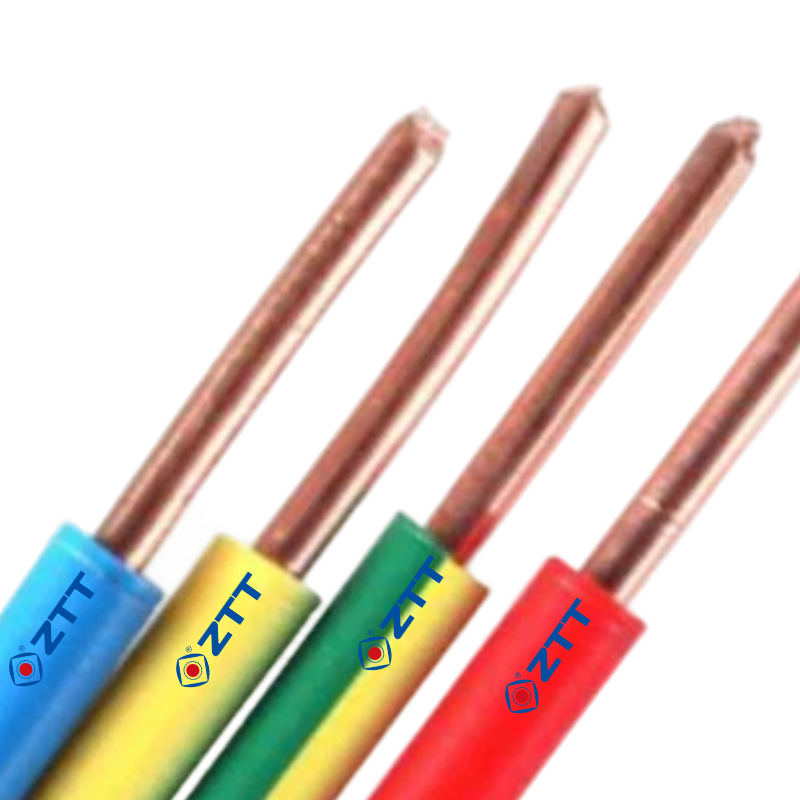
Building wire ensures indoor electrical wiring’s efficiency, which is made of copper/aluminum, insulated & screened, it excels in conductivity, insulation, and durability. Essential in lighting, outlets, power equipment, and low-voltage systems in homes, offices, and factories, it’s crucial in modern electrical systems. Selecting it requires considering specs, current capacity, insulation rating, and operating conditions for safety and stability.
The low voltage cable with both shielding and armoring not only has excellent anti-electromagnetic interference capability, but can also effectively prevent mechanical damage. It is suitable for places with relatively complex and harsh environments, such as factory workshops, mines, outdoor construction sites and other places. In these places, there may be many sources of electromagnetic interference, and at the same time, the cables are also prone to mechanical damage from external force. The armoring layer can protect the cables from physical damage, while the shielding layer can resist electromagnetic interference and ensure the normal transmission of electricity or signals.
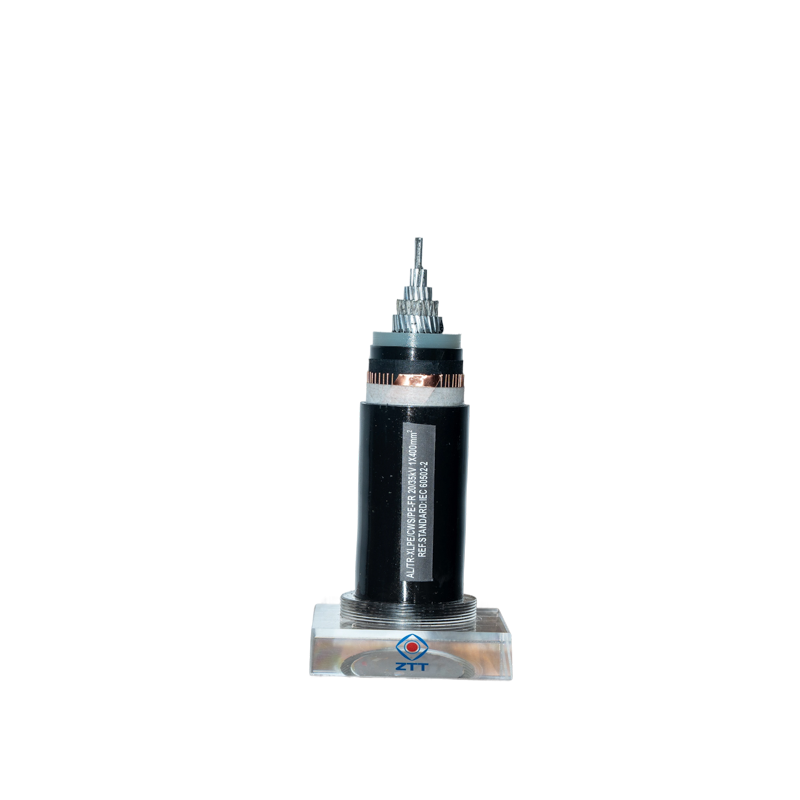
ZTT MV underground power cables have excellent electrical properties, intended for use in power transmission and distribution substation systems with an industrial frequency rated voltage of 6-35kV, with special features on request like flame-retardant, water blocking, anti-termite, etc. This type of cables are generally laid indoors, in tunnels and cable trenches and other places where certain radial mechanical external force or tension may happen.
Screened armored cable combines the advantages of screen and armor, It can not only resist interference and electromagnetic radiation, but also has the characteristics of durable and withstand external force.
The low-voltage cable with shielding but without armoring has an additional shielding layer outside the insulation, which can effectively reduce external electromagnetic interference and ensure the stable transmission of signals. It is commonly used in places with certain requirements for electromagnetic interference, such as computer network cabling, data transmission systems and the power supply lines for some precision instruments. In these scenarios, external electromagnetic interference may affect signal quality, and the shielding layer can reduce interference and ensure the accuracy and stability of signal transmission.
ZTT MV underground power cables have excellent electrical properties, intended for use in power transmission and distribution substation systems with an industrial frequency rated voltage of 6-35kV, with special features on request like flame-retardant, water blocking, anti-termite, etc. This type of cables are generally laid indoors, in tunnels and cable trenches without externally mechanical force.
Screened unarmored cable is a special type of cable designed to protect the signal from interference while providing the necessary mechanical strength without the need for additional armor.
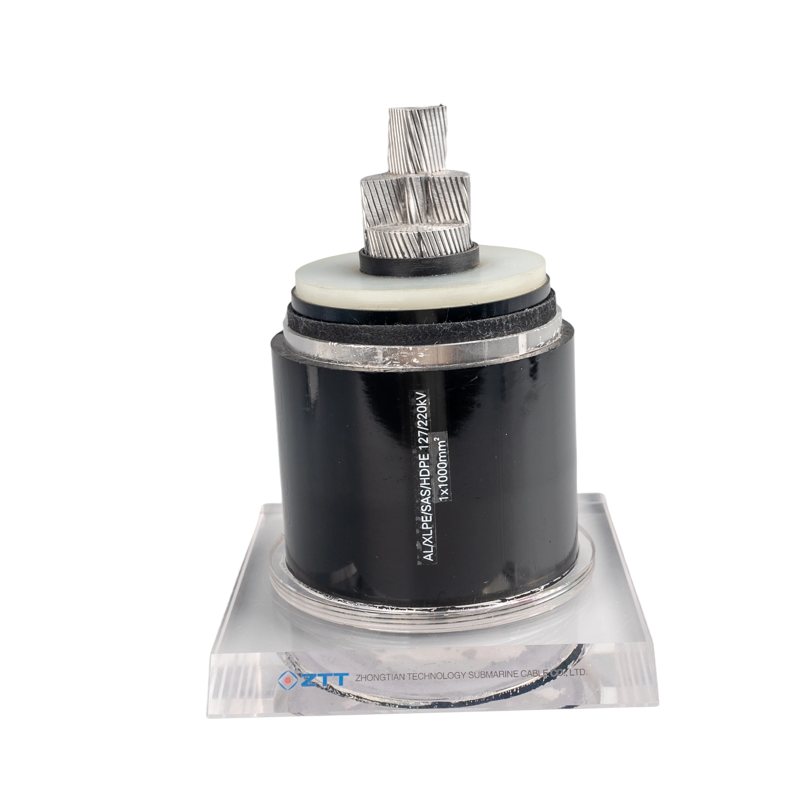
ZTT HV and EHV underground power cables have excellent electrical properties, intended for use in long-distance power transmission. Costumed with special features on request like flame-retardant, water blocking, anti-termite, etc. The smooth aluminum sheath is allowed having closer contact with buffer layer, whose thermal resistance has been greatly reduced. Carry more fault short-circuit current, and bear excellent conductivity, thus more reliable to our clients.
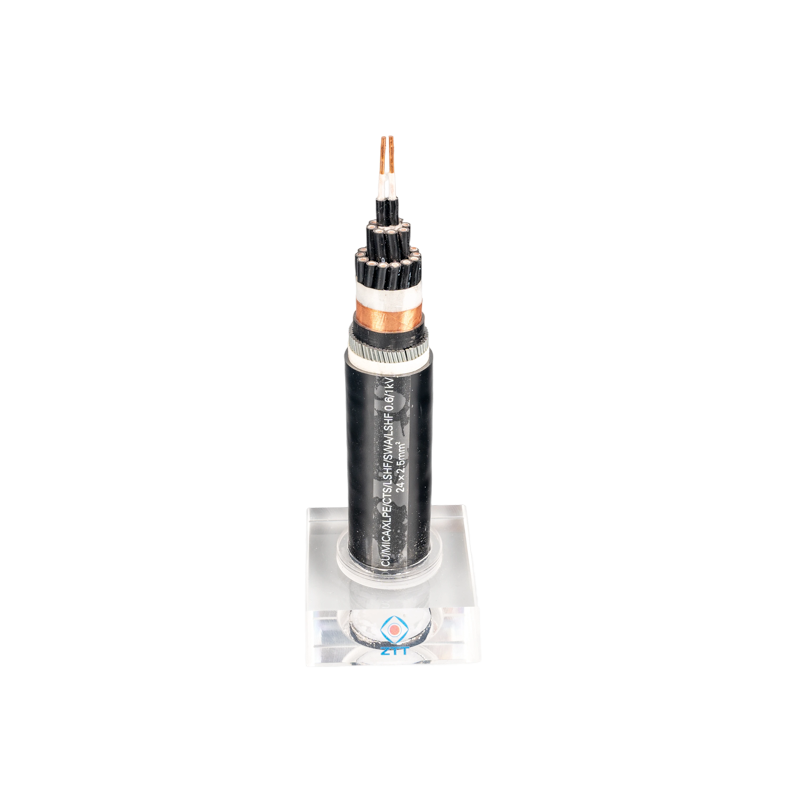
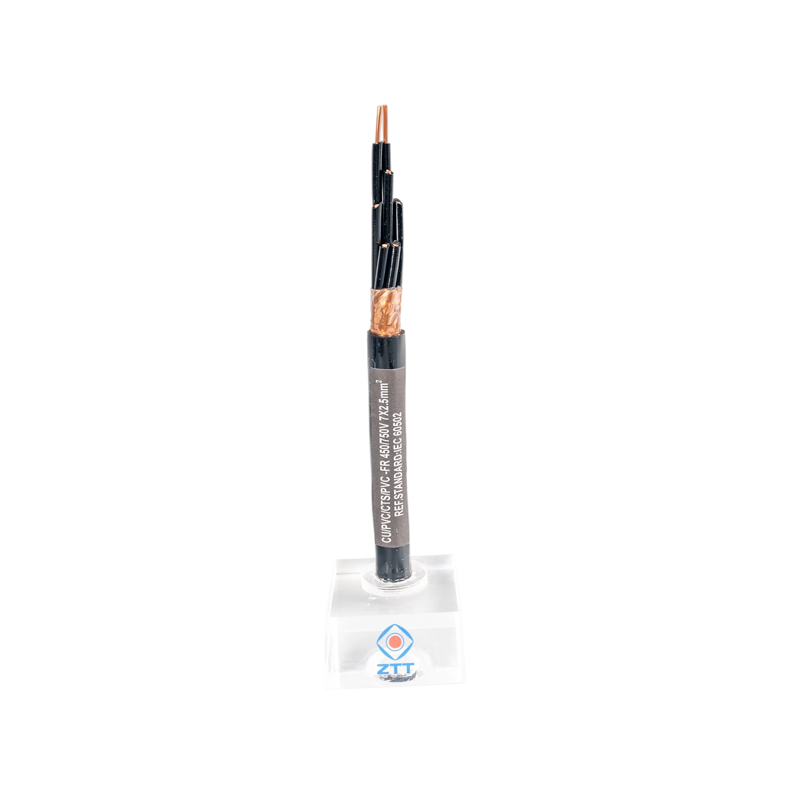
Control cable is a type of cable that connects from the control center to various systems to transmit signals. It is used in control, monitoring, and protection circuits with a rated AC voltage of 450V/750V or below. Due to the characteristics of unscreened unarmored cable, which has advantages in certain specific applications.
ZTT MV underground power cables have excellent electrical properties, intended for use in power transmission and distribution substation systems with an industrial frequency rated voltage of 6-35kV, with special features on request like flame-retardant, water blocking, anti-termite, etc. This type of cables are generally laid indoors, in tunnels and cable trenches without externally mechanical force.

Lorem ipsum dolor sit amet. Aut iste ipsum a ipsum mollitia ut similique aperiam quo sequi voluptatem non assumenda expedita. Qui inventore neque cum ipsam blanditiis sed rerum recusandaeLorem ipsum dolor sit amet. Aut iste ipsum a ipsum mollitia ut similique aperiam quo sequi voluptatem non assumenda expedita. Lorem ipsum dolor sit amet, consectetur adipiscing elit. Ut elit tellus, luctus nec ullamcorper mattis, pulvinar dapibus leo.

ZTT HV and EHV underground power cables have excellent electrical properties, intended for use in long-distance power transmission. Costumed with special features on request like flame-retardant, water blocking, anti-termite, etc. This kind of metallic sheath is usually lighter in weight and services in higher capacity of fault current.
ZTT HV and EHV underground power cables have excellent electrical properties, intended for use in long-distance power transmission. Costumed with special features on request like flame-retardant, water blocking, anti-termite, etc. Usually, lead sheath cables perform well at anti-corrosion and waterproof conditions.
Low-voltage overhead insulated cables are mainly used to transmit power from distribution transformers to the customer end (e.g. residential homes, small commercial facilities, etc.). The insulation requirements are also relatively low, and insulating materials such as polyvinyl chloride (PVC) can be used at a relatively low cost, while also providing sufficient insulation protection against leakage and short-circuiting of low-voltage lines. The laying requirements of low-voltage overhead cables are relatively flexible and the safety distance requirements are relatively small. In some residential areas and other places, it can be laid closer to the building or ground under the premise of ensuring safety according to the actual situation, in order to facilitate the supply of electricity to the user terminal.
Medium voltage overhead insulated cables are mainly used in medium voltage distribution lines of urban power grids to transport electrical energy from substations to individual distribution transformers. High-performance insulation materials, such as cross-linked polyethylene (XLPE), which have good electrical properties and thermal stability and can withstand high electric field strengths, are generally used. As MV cables usually cover large distances, they can be subjected to higher voltages and mechanical stresses, such as those caused by wind, ice cover and other natural factors. Therefore, cables require high mechanical strength, including tensile strength and flexural strength. The conductors of cables are generally made of high-strength copper or aluminium strands, and the manufacturing process ensures that the cables are tightly constructed to improve their overall mechanical properties.
Building wire ensures indoor electrical wiring’s efficiency, which is made of copper/aluminum, insulated & screened, it excels in conductivity, insulation, and durability. Essential in lighting, outlets, power equipment, and low-voltage systems in homes, offices, and factories, it’s crucial in modern electrical systems. Selecting it requires considering specs, current capacity, insulation rating, and operating conditions for safety and stability.
The low voltage cable with both shielding and armoring not only has excellent anti-electromagnetic interference capability, but can also effectively prevent mechanical damage. It is suitable for places with relatively complex and harsh environments, such as factory workshops, mines, outdoor construction sites and other places. In these places, there may be many sources of electromagnetic interference, and at the same time, the cables are also prone to mechanical damage from external force. The armoring layer can protect the cables from physical damage, while the shielding layer can resist electromagnetic interference and ensure the normal transmission of electricity or signals.
ZTT MV underground power cables have excellent electrical properties, intended for use in power transmission and distribution substation systems with an industrial frequency rated voltage of 6-35kV, with special features on request like flame-retardant, water blocking, anti-termite, etc. This type of cables are generally laid indoors, in tunnels and cable trenches and other places where certain radial mechanical external force or tension may happen.
Screened armored cable combines the advantages of screen and armor, It can not only resist interference and electromagnetic radiation, but also has the characteristics of durable and withstand external force.
The low-voltage cable with shielding but without armoring has an additional shielding layer outside the insulation, which can effectively reduce external electromagnetic interference and ensure the stable transmission of signals. It is commonly used in places with certain requirements for electromagnetic interference, such as computer network cabling, data transmission systems and the power supply lines for some precision instruments. In these scenarios, external electromagnetic interference may affect signal quality, and the shielding layer can reduce interference and ensure the accuracy and stability of signal transmission.
ZTT MV underground power cables have excellent electrical properties, intended for use in power transmission and distribution substation systems with an industrial frequency rated voltage of 6-35kV, with special features on request like flame-retardant, water blocking, anti-termite, etc. This type of cables are generally laid indoors, in tunnels and cable trenches without externally mechanical force.
Screened unarmored cable is a special type of cable designed to protect the signal from interference while providing the necessary mechanical strength without the need for additional armor.
ZTT HV and EHV underground power cables have excellent electrical properties, intended for use in long-distance power transmission. Costumed with special features on request like flame-retardant, water blocking, anti-termite, etc. The smooth aluminum sheath is allowed having closer contact with buffer layer, whose thermal resistance has been greatly reduced. Carry more fault short-circuit current, and bear excellent conductivity, thus more reliable to our clients.
Control cable is a type of cable that connects from the control center to various systems to transmit signals. It is used in control, monitoring, and protection circuits with a rated AC voltage of 450V/750V or below. Due to the characteristics of unscreened unarmored cable, which has advantages in certain specific applications.
ZTT MV underground power cables have excellent electrical properties, intended for use in power transmission and distribution substation systems with an industrial frequency rated voltage of 6-35kV, with special features on request like flame-retardant, water blocking, anti-termite, etc. This type of cables are generally laid indoors, in tunnels and cable trenches without externally mechanical force.

Lorem ipsum dolor sit amet. Aut iste ipsum a ipsum mollitia ut similique aperiam quo sequi voluptatem non assumenda expedita. Qui inventore neque cum ipsam blanditiis sed rerum recusandaeLorem ipsum dolor sit amet. Aut iste ipsum a ipsum mollitia ut similique aperiam quo sequi voluptatem non assumenda expedita. Lorem ipsum dolor sit amet, consectetur adipiscing elit. Ut elit tellus, luctus nec ullamcorper mattis, pulvinar dapibus leo.

ZTT HV and EHV underground power cables have excellent electrical properties, intended for use in long-distance power transmission. Costumed with special features on request like flame-retardant, water blocking, anti-termite, etc. This kind of metallic sheath is usually lighter in weight and services in higher capacity of fault current.
ZTT HV and EHV underground power cables have excellent electrical properties, intended for use in long-distance power transmission. Costumed with special features on request like flame-retardant, water blocking, anti-termite, etc. Usually, lead sheath cables perform well at anti-corrosion and waterproof conditions.
Low-voltage overhead insulated cables are mainly used to transmit power from distribution transformers to the customer end (e.g. residential homes, small commercial facilities, etc.). The insulation requirements are also relatively low, and insulating materials such as polyvinyl chloride (PVC) can be used at a relatively low cost, while also providing sufficient insulation protection against leakage and short-circuiting of low-voltage lines. The laying requirements of low-voltage overhead cables are relatively flexible and the safety distance requirements are relatively small. In some residential areas and other places, it can be laid closer to the building or ground under the premise of ensuring safety according to the actual situation, in order to facilitate the supply of electricity to the user terminal.
Medium voltage overhead insulated cables are mainly used in medium voltage distribution lines of urban power grids to transport electrical energy from substations to individual distribution transformers. High-performance insulation materials, such as cross-linked polyethylene (XLPE), which have good electrical properties and thermal stability and can withstand high electric field strengths, are generally used. As MV cables usually cover large distances, they can be subjected to higher voltages and mechanical stresses, such as those caused by wind, ice cover and other natural factors. Therefore, cables require high mechanical strength, including tensile strength and flexural strength. The conductors of cables are generally made of high-strength copper or aluminium strands, and the manufacturing process ensures that the cables are tightly constructed to improve their overall mechanical properties.
Building wire ensures indoor electrical wiring’s efficiency, which is made of copper/aluminum, insulated & screened, it excels in conductivity, insulation, and durability. Essential in lighting, outlets, power equipment, and low-voltage systems in homes, offices, and factories, it’s crucial in modern electrical systems. Selecting it requires considering specs, current capacity, insulation rating, and operating conditions for safety and stability.
The low voltage cable with both shielding and armoring not only has excellent anti-electromagnetic interference capability, but can also effectively prevent mechanical damage. It is suitable for places with relatively complex and harsh environments, such as factory workshops, mines, outdoor construction sites and other places. In these places, there may be many sources of electromagnetic interference, and at the same time, the cables are also prone to mechanical damage from external force. The armoring layer can protect the cables from physical damage, while the shielding layer can resist electromagnetic interference and ensure the normal transmission of electricity or signals.
ZTT MV underground power cables have excellent electrical properties, intended for use in power transmission and distribution substation systems with an industrial frequency rated voltage of 6-35kV, with special features on request like flame-retardant, water blocking, anti-termite, etc. This type of cables are generally laid indoors, in tunnels and cable trenches and other places where certain radial mechanical external force or tension may happen.
Screened armored cable combines the advantages of screen and armor, It can not only resist interference and electromagnetic radiation, but also has the characteristics of durable and withstand external force.
The low-voltage cable with shielding but without armoring has an additional shielding layer outside the insulation, which can effectively reduce external electromagnetic interference and ensure the stable transmission of signals. It is commonly used in places with certain requirements for electromagnetic interference, such as computer network cabling, data transmission systems and the power supply lines for some precision instruments. In these scenarios, external electromagnetic interference may affect signal quality, and the shielding layer can reduce interference and ensure the accuracy and stability of signal transmission.
ZTT MV underground power cables have excellent electrical properties, intended for use in power transmission and distribution substation systems with an industrial frequency rated voltage of 6-35kV, with special features on request like flame-retardant, water blocking, anti-termite, etc. This type of cables are generally laid indoors, in tunnels and cable trenches without externally mechanical force.
Screened unarmored cable is a special type of cable designed to protect the signal from interference while providing the necessary mechanical strength without the need for additional armor.
ZTT HV and EHV underground power cables have excellent electrical properties, intended for use in long-distance power transmission. Costumed with special features on request like flame-retardant, water blocking, anti-termite, etc. The smooth aluminum sheath is allowed having closer contact with buffer layer, whose thermal resistance has been greatly reduced. Carry more fault short-circuit current, and bear excellent conductivity, thus more reliable to our clients.
Control cable is a type of cable that connects from the control center to various systems to transmit signals. It is used in control, monitoring, and protection circuits with a rated AC voltage of 450V/750V or below. Due to the characteristics of unscreened unarmored cable, which has advantages in certain specific applications.
ZTT MV underground power cables have excellent electrical properties, intended for use in power transmission and distribution substation systems with an industrial frequency rated voltage of 6-35kV, with special features on request like flame-retardant, water blocking, anti-termite, etc. This type of cables are generally laid indoors, in tunnels and cable trenches without externally mechanical force.

Lorem ipsum dolor sit amet. Aut iste ipsum a ipsum mollitia ut similique aperiam quo sequi voluptatem non assumenda expedita. Qui inventore neque cum ipsam blanditiis sed rerum recusandaeLorem ipsum dolor sit amet. Aut iste ipsum a ipsum mollitia ut similique aperiam quo sequi voluptatem non assumenda expedita. Lorem ipsum dolor sit amet, consectetur adipiscing elit. Ut elit tellus, luctus nec ullamcorper mattis, pulvinar dapibus leo.

ZTT HV and EHV underground power cables have excellent electrical properties, intended for use in long-distance power transmission. Costumed with special features on request like flame-retardant, water blocking, anti-termite, etc. This kind of metallic sheath is usually lighter in weight and services in higher capacity of fault current.
ZTT HV and EHV underground power cables have excellent electrical properties, intended for use in long-distance power transmission. Costumed with special features on request like flame-retardant, water blocking, anti-termite, etc. Usually, lead sheath cables perform well at anti-corrosion and waterproof conditions.
Low-voltage overhead insulated cables are mainly used to transmit power from distribution transformers to the customer end (e.g. residential homes, small commercial facilities, etc.). The insulation requirements are also relatively low, and insulating materials such as polyvinyl chloride (PVC) can be used at a relatively low cost, while also providing sufficient insulation protection against leakage and short-circuiting of low-voltage lines. The laying requirements of low-voltage overhead cables are relatively flexible and the safety distance requirements are relatively small. In some residential areas and other places, it can be laid closer to the building or ground under the premise of ensuring safety according to the actual situation, in order to facilitate the supply of electricity to the user terminal.
Medium voltage overhead insulated cables are mainly used in medium voltage distribution lines of urban power grids to transport electrical energy from substations to individual distribution transformers. High-performance insulation materials, such as cross-linked polyethylene (XLPE), which have good electrical properties and thermal stability and can withstand high electric field strengths, are generally used. As MV cables usually cover large distances, they can be subjected to higher voltages and mechanical stresses, such as those caused by wind, ice cover and other natural factors. Therefore, cables require high mechanical strength, including tensile strength and flexural strength. The conductors of cables are generally made of high-strength copper or aluminium strands, and the manufacturing process ensures that the cables are tightly constructed to improve their overall mechanical properties.
Building wire ensures indoor electrical wiring’s efficiency, which is made of copper/aluminum, insulated & screened, it excels in conductivity, insulation, and durability. Essential in lighting, outlets, power equipment, and low-voltage systems in homes, offices, and factories, it’s crucial in modern electrical systems. Selecting it requires considering specs, current capacity, insulation rating, and operating conditions for safety and stability.
The low voltage cable with both shielding and armoring not only has excellent anti-electromagnetic interference capability, but can also effectively prevent mechanical damage. It is suitable for places with relatively complex and harsh environments, such as factory workshops, mines, outdoor construction sites and other places. In these places, there may be many sources of electromagnetic interference, and at the same time, the cables are also prone to mechanical damage from external force. The armoring layer can protect the cables from physical damage, while the shielding layer can resist electromagnetic interference and ensure the normal transmission of electricity or signals.
ZTT MV underground power cables have excellent electrical properties, intended for use in power transmission and distribution substation systems with an industrial frequency rated voltage of 6-35kV, with special features on request like flame-retardant, water blocking, anti-termite, etc. This type of cables are generally laid indoors, in tunnels and cable trenches and other places where certain radial mechanical external force or tension may happen.
Screened armored cable combines the advantages of screen and armor, It can not only resist interference and electromagnetic radiation, but also has the characteristics of durable and withstand external force.
The low-voltage cable with shielding but without armoring has an additional shielding layer outside the insulation, which can effectively reduce external electromagnetic interference and ensure the stable transmission of signals. It is commonly used in places with certain requirements for electromagnetic interference, such as computer network cabling, data transmission systems and the power supply lines for some precision instruments. In these scenarios, external electromagnetic interference may affect signal quality, and the shielding layer can reduce interference and ensure the accuracy and stability of signal transmission.
ZTT MV underground power cables have excellent electrical properties, intended for use in power transmission and distribution substation systems with an industrial frequency rated voltage of 6-35kV, with special features on request like flame-retardant, water blocking, anti-termite, etc. This type of cables are generally laid indoors, in tunnels and cable trenches without externally mechanical force.
Screened unarmored cable is a special type of cable designed to protect the signal from interference while providing the necessary mechanical strength without the need for additional armor.
ZTT HV and EHV underground power cables have excellent electrical properties, intended for use in long-distance power transmission. Costumed with special features on request like flame-retardant, water blocking, anti-termite, etc. The smooth aluminum sheath is allowed having closer contact with buffer layer, whose thermal resistance has been greatly reduced. Carry more fault short-circuit current, and bear excellent conductivity, thus more reliable to our clients.
Control cable is a type of cable that connects from the control center to various systems to transmit signals. It is used in control, monitoring, and protection circuits with a rated AC voltage of 450V/750V or below. Due to the characteristics of unscreened unarmored cable, which has advantages in certain specific applications.
ZTT MV underground power cables have excellent electrical properties, intended for use in power transmission and distribution substation systems with an industrial frequency rated voltage of 6-35kV, with special features on request like flame-retardant, water blocking, anti-termite, etc. This type of cables are generally laid indoors, in tunnels and cable trenches without externally mechanical force.
ZTT HV and EHV underground power cables have excellent electrical properties, intended for use in long-distance power transmission. Costumed with special features on request like flame-retardant, water blocking, anti-termite, etc. This kind of metallic sheath is usually lighter in weight and services in higher capacity of fault current.
ZTT HV and EHV underground power cables have excellent electrical properties, intended for use in long-distance power transmission. Costumed with special features on request like flame-retardant, water blocking, anti-termite, etc. Usually, lead sheath cables perform well at anti-corrosion and waterproof conditions.
Low-voltage overhead insulated cables are mainly used to transmit power from distribution transformers to the customer end (e.g. residential homes, small commercial facilities, etc.). The insulation requirements are also relatively low, and insulating materials such as polyvinyl chloride (PVC) can be used at a relatively low cost, while also providing sufficient insulation protection against leakage and short-circuiting of low-voltage lines. The laying requirements of low-voltage overhead cables are relatively flexible and the safety distance requirements are relatively small. In some residential areas and other places, it can be laid closer to the building or ground under the premise of ensuring safety according to the actual situation, in order to facilitate the supply of electricity to the user terminal.
Medium voltage overhead insulated cables are mainly used in medium voltage distribution lines of urban power grids to transport electrical energy from substations to individual distribution transformers. High-performance insulation materials, such as cross-linked polyethylene (XLPE), which have good electrical properties and thermal stability and can withstand high electric field strengths, are generally used. As MV cables usually cover large distances, they can be subjected to higher voltages and mechanical stresses, such as those caused by wind, ice cover and other natural factors. Therefore, cables require high mechanical strength, including tensile strength and flexural strength. The conductors of cables are generally made of high-strength copper or aluminium strands, and the manufacturing process ensures that the cables are tightly constructed to improve their overall mechanical properties.
Building wire ensures indoor electrical wiring’s efficiency, which is made of copper/aluminum, insulated & screened, it excels in conductivity, insulation, and durability. Essential in lighting, outlets, power equipment, and low-voltage systems in homes, offices, and factories, it’s crucial in modern electrical systems. Selecting it requires considering specs, current capacity, insulation rating, and operating conditions for safety and stability.
The low voltage cable with both shielding and armoring not only has excellent anti-electromagnetic interference capability, but can also effectively prevent mechanical damage. It is suitable for places with relatively complex and harsh environments, such as factory workshops, mines, outdoor construction sites and other places. In these places, there may be many sources of electromagnetic interference, and at the same time, the cables are also prone to mechanical damage from external force. The armoring layer can protect the cables from physical damage, while the shielding layer can resist electromagnetic interference and ensure the normal transmission of electricity or signals.
ZTT MV underground power cables have excellent electrical properties, intended for use in power transmission and distribution substation systems with an industrial frequency rated voltage of 6-35kV, with special features on request like flame-retardant, water blocking, anti-termite, etc. This type of cables are generally laid indoors, in tunnels and cable trenches and other places where certain radial mechanical external force or tension may happen.
Screened armored cable combines the advantages of screen and armor, It can not only resist interference and electromagnetic radiation, but also has the characteristics of durable and withstand external force.
The low-voltage cable with shielding but without armoring has an additional shielding layer outside the insulation, which can effectively reduce external electromagnetic interference and ensure the stable transmission of signals. It is commonly used in places with certain requirements for electromagnetic interference, such as computer network cabling, data transmission systems and the power supply lines for some precision instruments. In these scenarios, external electromagnetic interference may affect signal quality, and the shielding layer can reduce interference and ensure the accuracy and stability of signal transmission.
ZTT MV underground power cables have excellent electrical properties, intended for use in power transmission and distribution substation systems with an industrial frequency rated voltage of 6-35kV, with special features on request like flame-retardant, water blocking, anti-termite, etc. This type of cables are generally laid indoors, in tunnels and cable trenches without externally mechanical force.
Screened unarmored cable is a special type of cable designed to protect the signal from interference while providing the necessary mechanical strength without the need for additional armor.
ZTT HV and EHV underground power cables have excellent electrical properties, intended for use in long-distance power transmission. Costumed with special features on request like flame-retardant, water blocking, anti-termite, etc. The smooth aluminum sheath is allowed having closer contact with buffer layer, whose thermal resistance has been greatly reduced. Carry more fault short-circuit current, and bear excellent conductivity, thus more reliable to our clients.
Control cable is a type of cable that connects from the control center to various systems to transmit signals. It is used in control, monitoring, and protection circuits with a rated AC voltage of 450V/750V or below. Due to the characteristics of unscreened unarmored cable, which has advantages in certain specific applications.
ZTT MV underground power cables have excellent electrical properties, intended for use in power transmission and distribution substation systems with an industrial frequency rated voltage of 6-35kV, with special features on request like flame-retardant, water blocking, anti-termite, etc. This type of cables are generally laid indoors, in tunnels and cable trenches without externally mechanical force.