-反白-rgyk712mnhczi1sjv2jrz96eetuv1qvfu5h21cx66q.png "中天科技横版版Logo(英文)-反白")
-600x600.jpg)
-600x600.jpg)
-100x100.jpg)
-100x100.jpg)
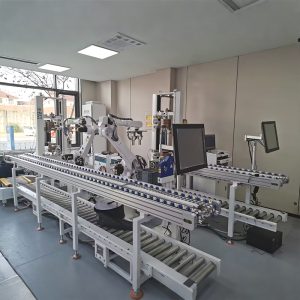
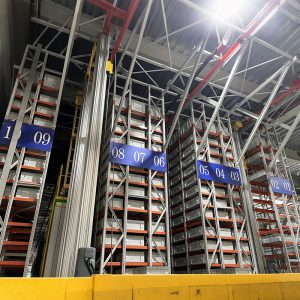
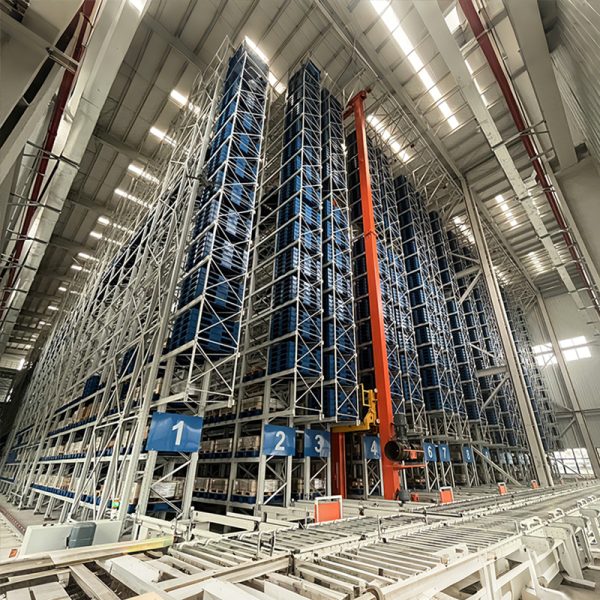
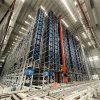
Pallet stacker intelligent warehousing utilizes pallets as the load-bearing unit, enabling high-level three-dimensional storage, fully automated storage and retrieval handling, stable and efficient operation, significantly increasing storage capacity, adapting to bulk palletized goods, and achieving intelligent unmanned warehousing operations.
(2)First-In, First-Out (FIFO) for Materials: Traditional warehouses often result in materials being stacked in ways that cause backlogs and waste. Automated systems can automatically track the entry time of each material and ensure FIFO operations.
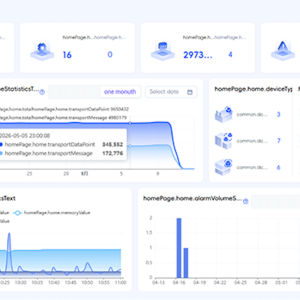
(3)Intelligent Operations and Synchronization of Accounts: Traditional warehouse management involves extensive paperwork and manual data entry, leading to errors. The automated warehouse system integrates with ERP systems to streamline operations from production planning to inventory commands, ensuring accurate and timely data.
(4)Environmental Control for Special Goods: Compared to traditional warehouses, automated systems can better meet the environmental needs of specific materials, such as light avoidance, low temperatures, or toxic environments, ensuring the safety of goods throughout storage.
(5)Timely Handling of Obsolete Materials: The automated system can track materials and prevent dead stock, alerting users to materials that haven’t been moved for an extended period.
(6)Cost Savings on Labor: The use of automated equipment significantly reduces the need for manual labor, lowering labor costs.
(7) Full Traceability: By using barcode/QR code technology, the flow of goods can be tracked with precision, ensuring full traceability of materials.
Suitable for storing and conveying materials on standard pallets (e.g., cross-pattern pallets, plastic or steel pallets), typically with a load capacity of 0.5-6 tons per pallet. If there are discrepancies in pallet sizes, the use of mother-child trolleys or modified shelving solutions can be applied. Warehouse height can reach up to 40 meters.Widely applied in industries such as pharmaceuticals, chemicals, textiles, photovoltaics, new energy, and agriculture.
Please provide the following details to help our sales representatives better understand your needs and get In touch with you as soon as possible.
-反白-1024x290.png)
Connecting the World
Powering the Future
Products
Quick Link